

Pedestrian and bicycle traffic References
Pedestrian and bicycle traffic References
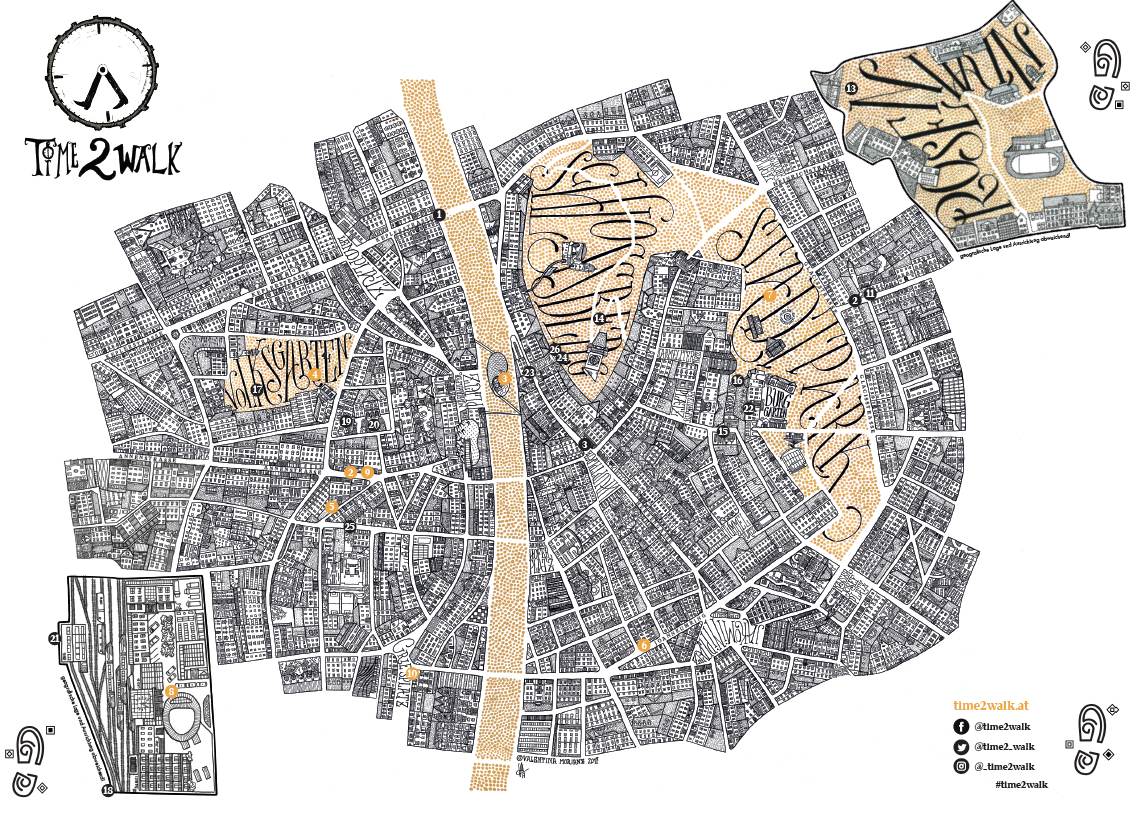
WalkYourCity – Forcierung des Fußgängerverkehrs in Städten anhand verhaltensbasierter und spielerischer Interventionen
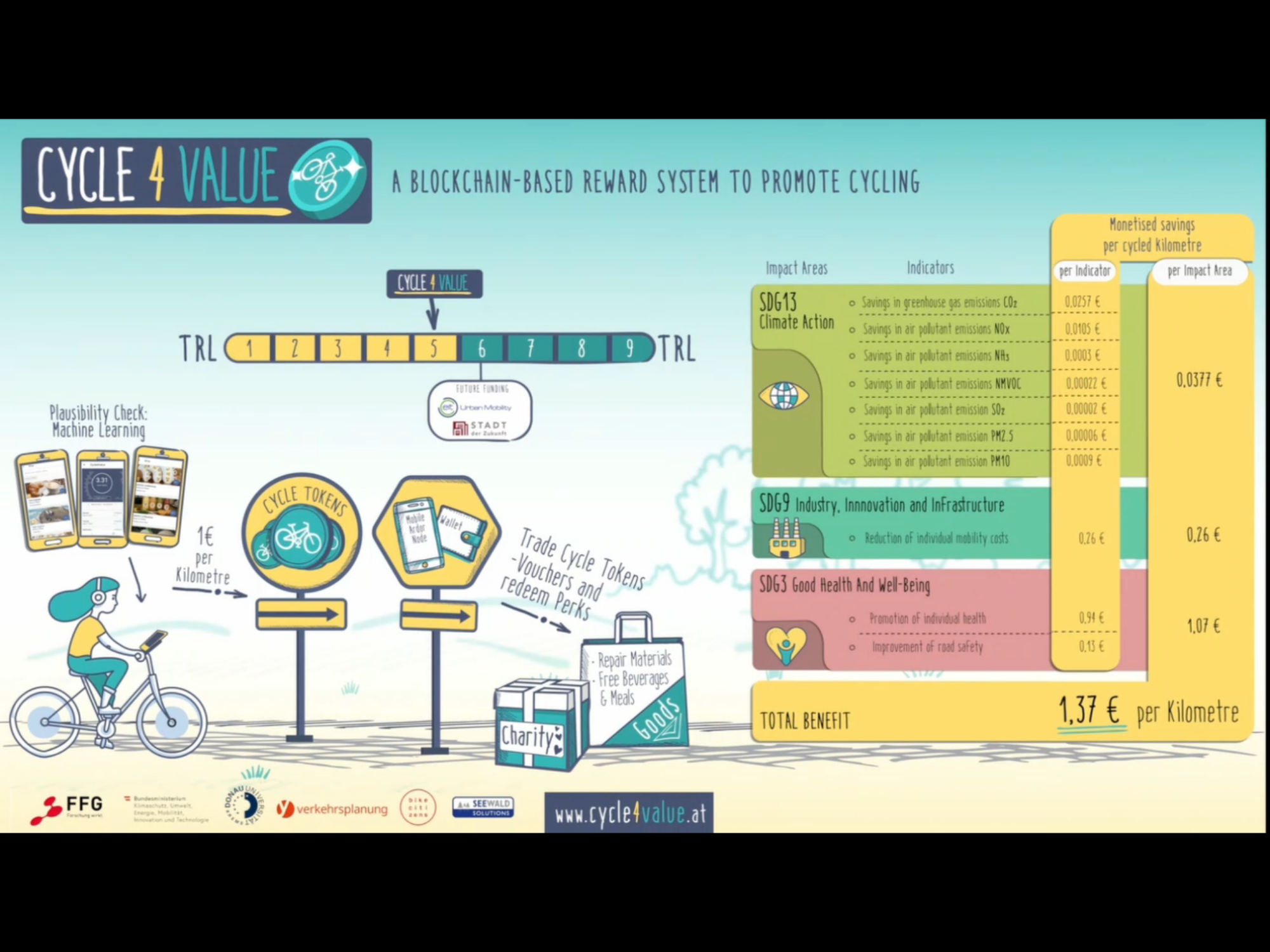
Cycle4Value
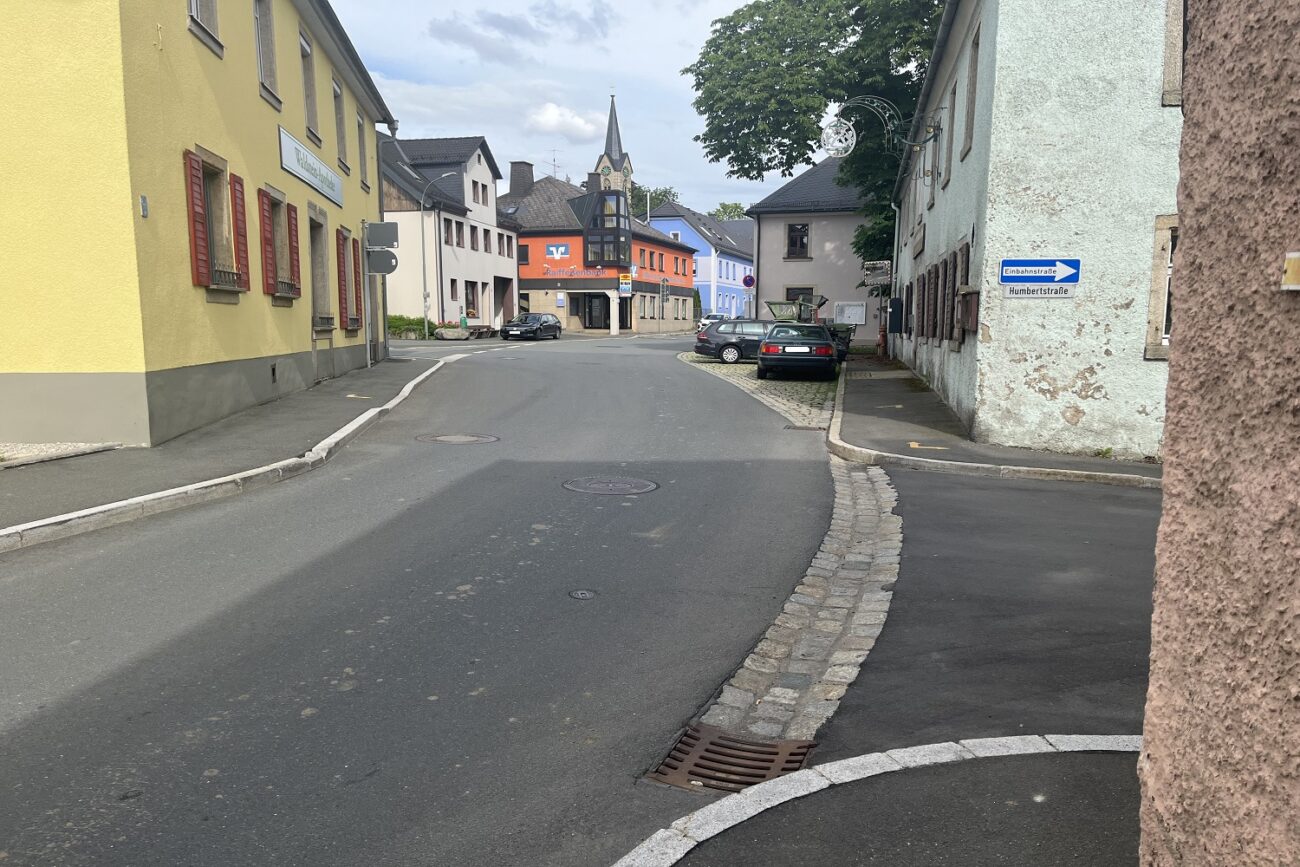
Framework plan for the redevelopment of Markt Sparneck town center | Expert report on traffic
Talliner Straße mobility concept in Erfurt
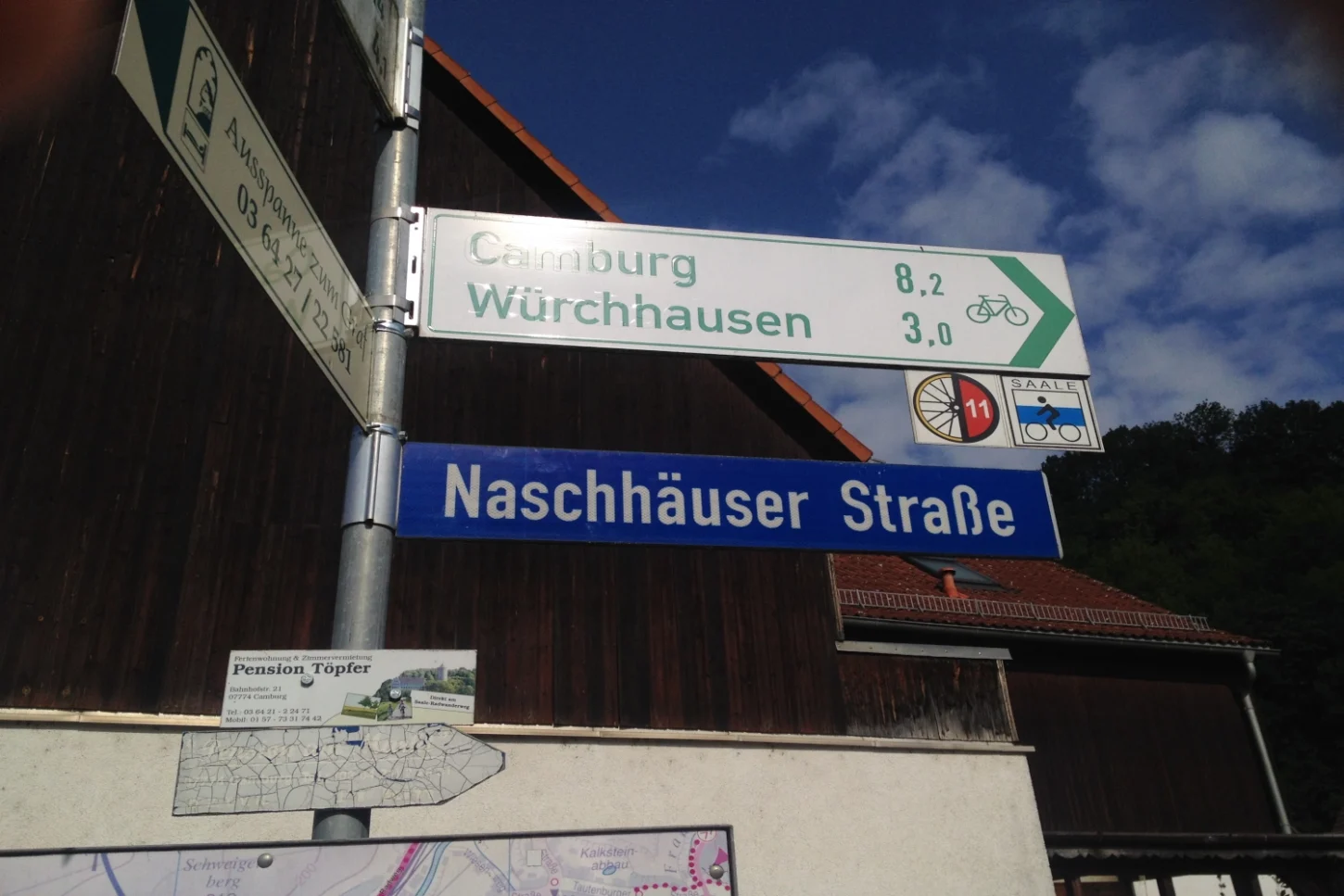
Potential demand for roadside cycle paths on regional roads in Eastern Thuringia
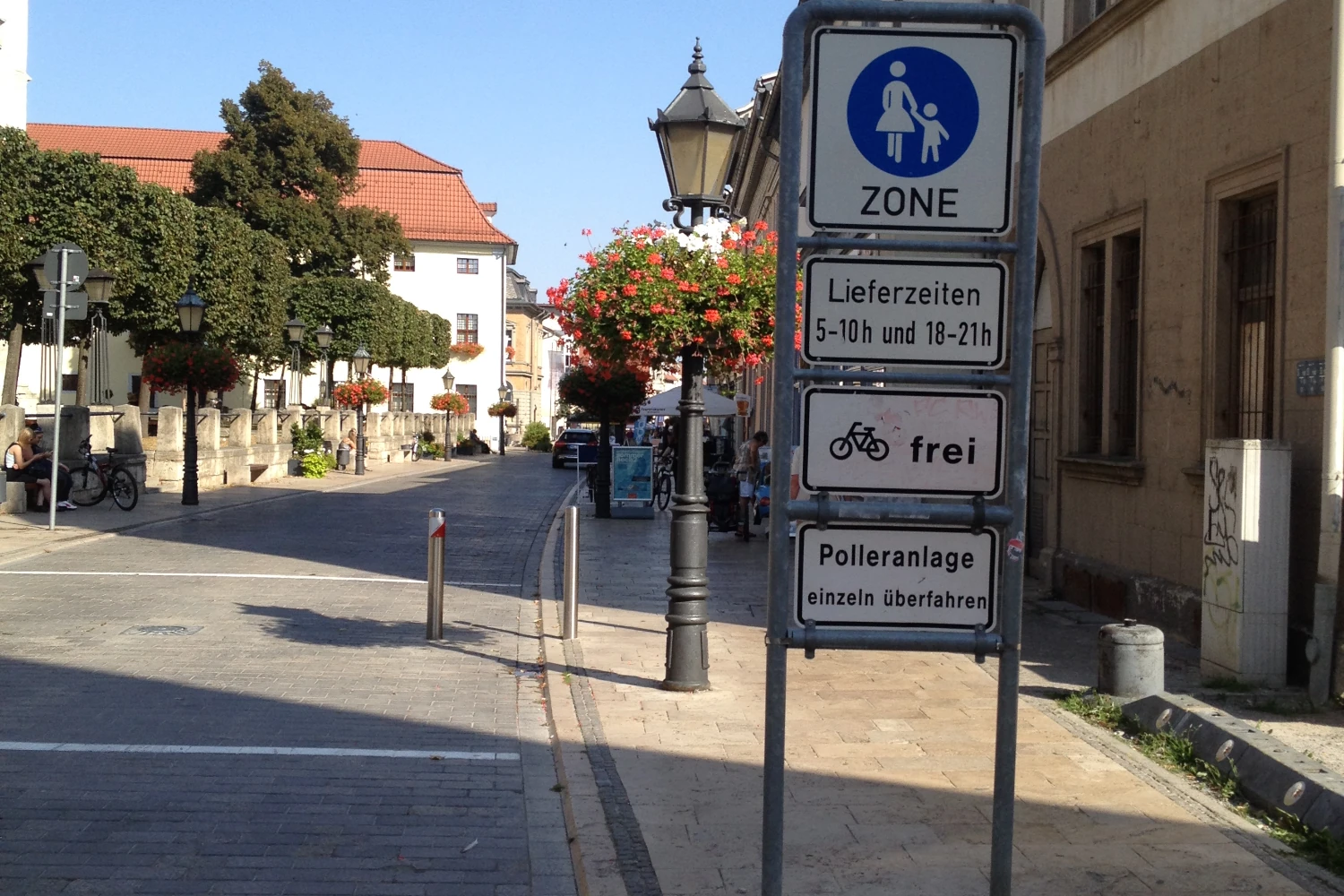
Mühlhausen cycling concept
Zum Beitrag
Mobility surveys References
Mobility surveys References
Framework plan for the redevelopment of Markt Sparneck town center | Expert report on traffic

Parking space concept Kahla-Altstadt
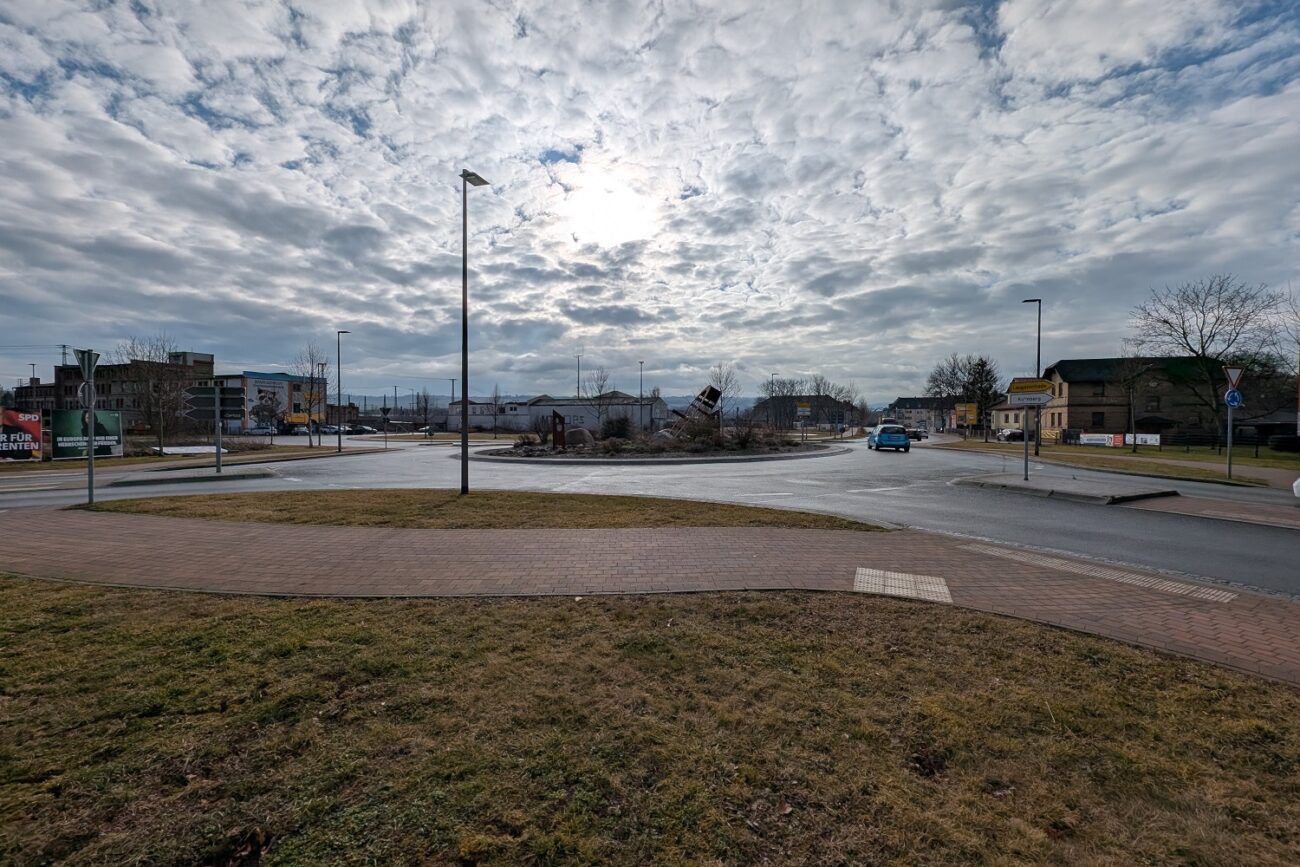
Traffic study on the connection of multi-assortment stores to the B85/Kulmbacher Straße in Saalfeld/Saale

“Austria on the move” – Technical specifications for an Austria-wide mobility survey
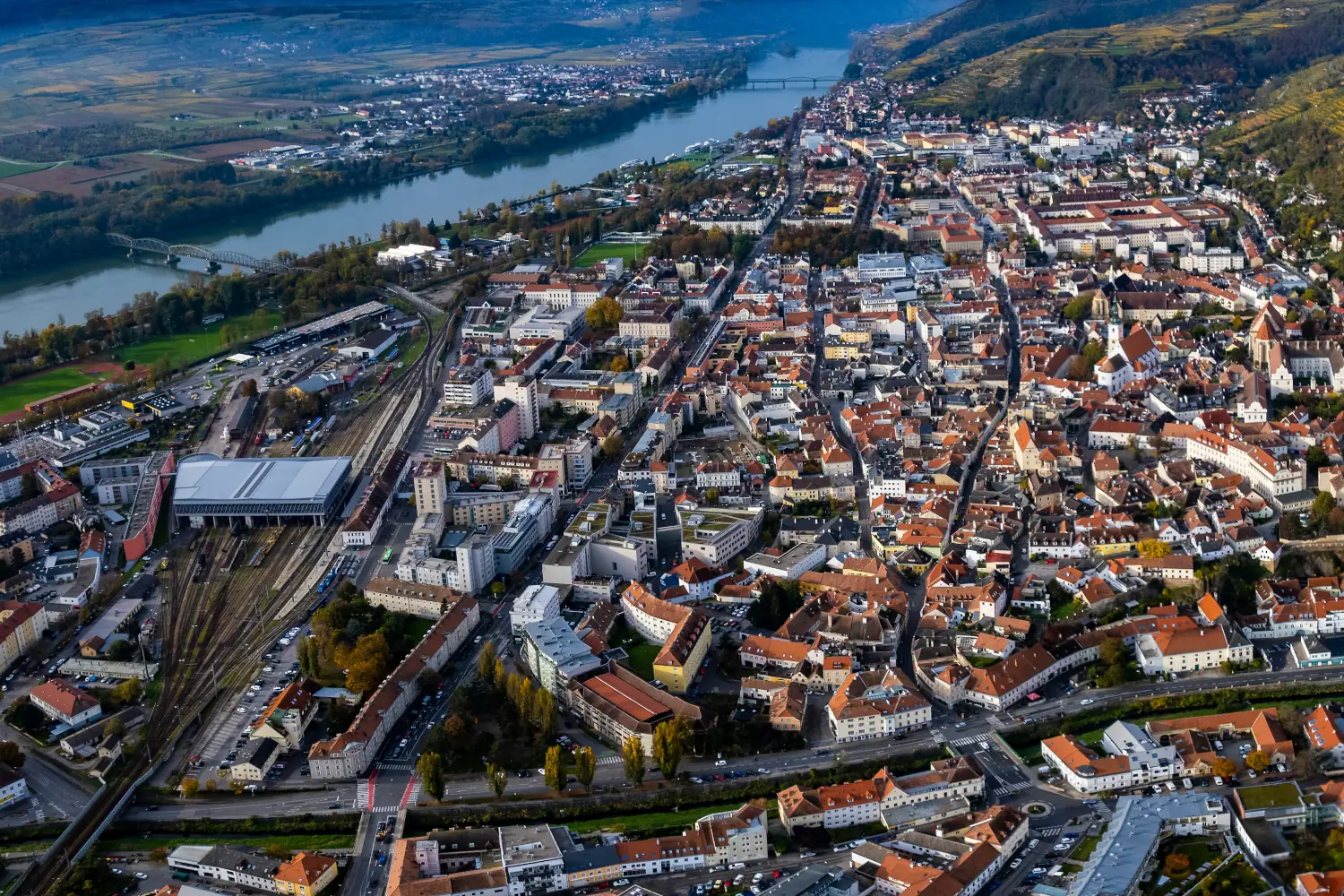
University of Krems – Mobility survey via online survey
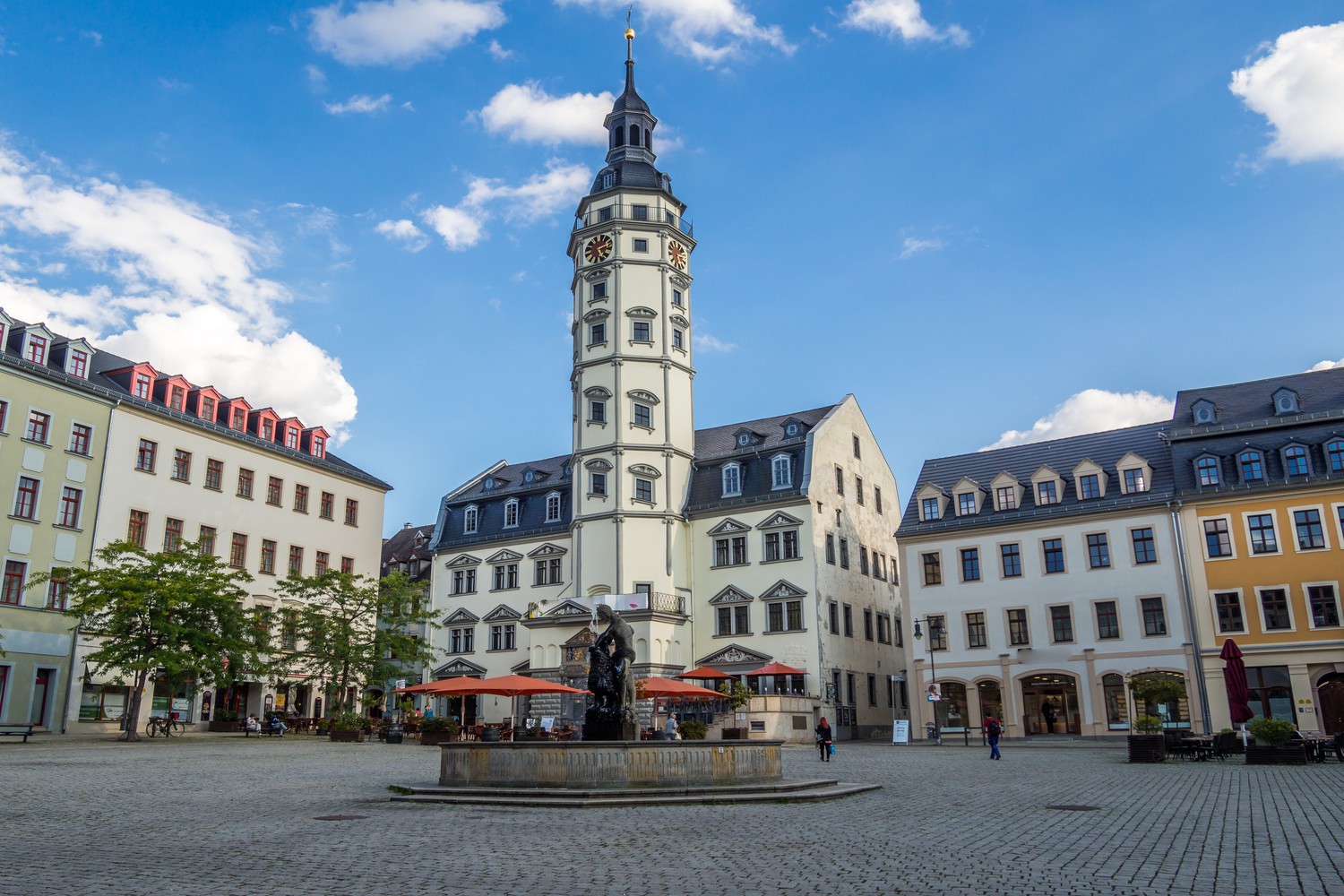
Parking space concept Gera city center
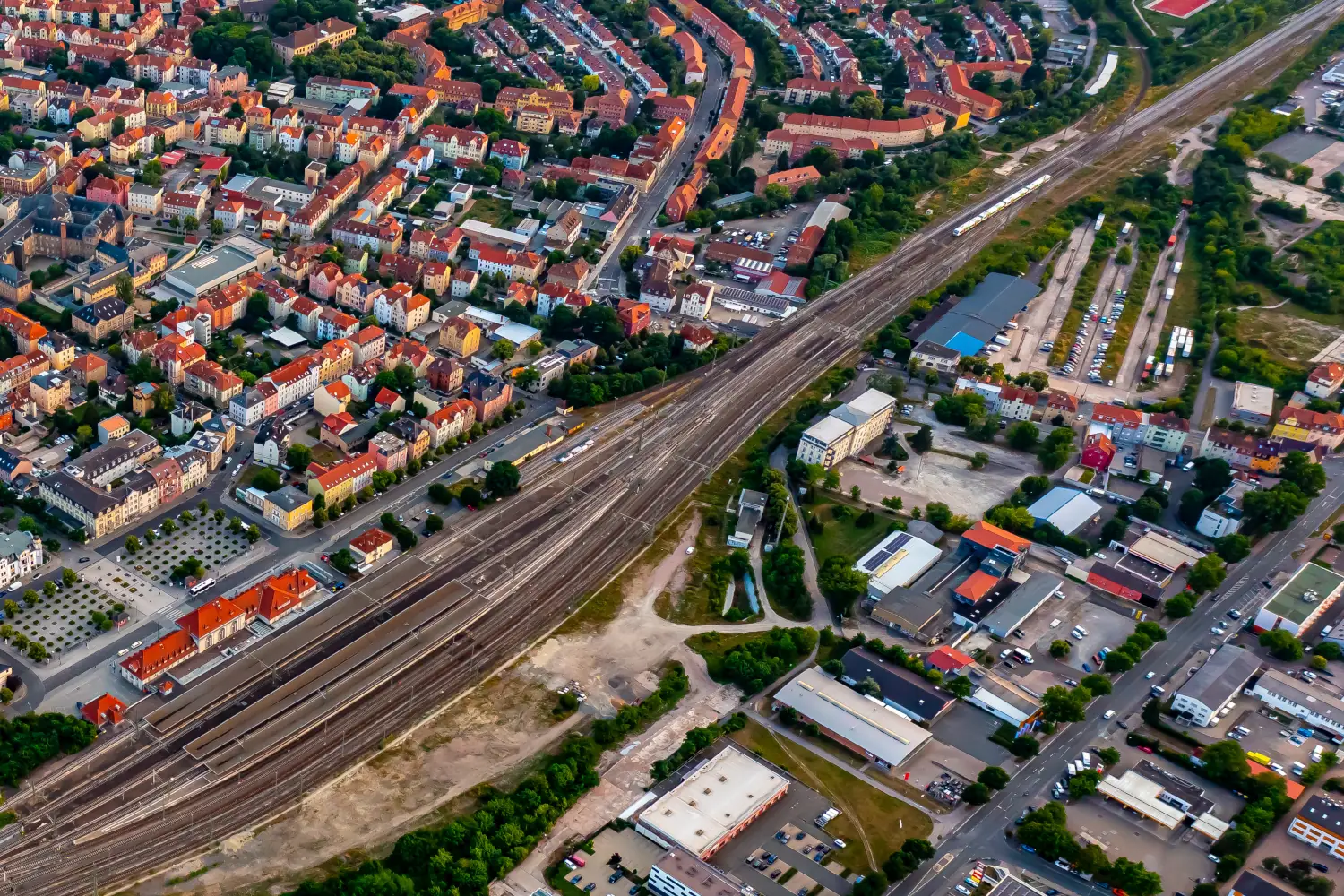
Traffic study Weimar-Bahnstadt
Traffic study on the connection to the Eichsfeldklinikum Heiligenstadt

Traffic study Magdeburg East Elbe districts
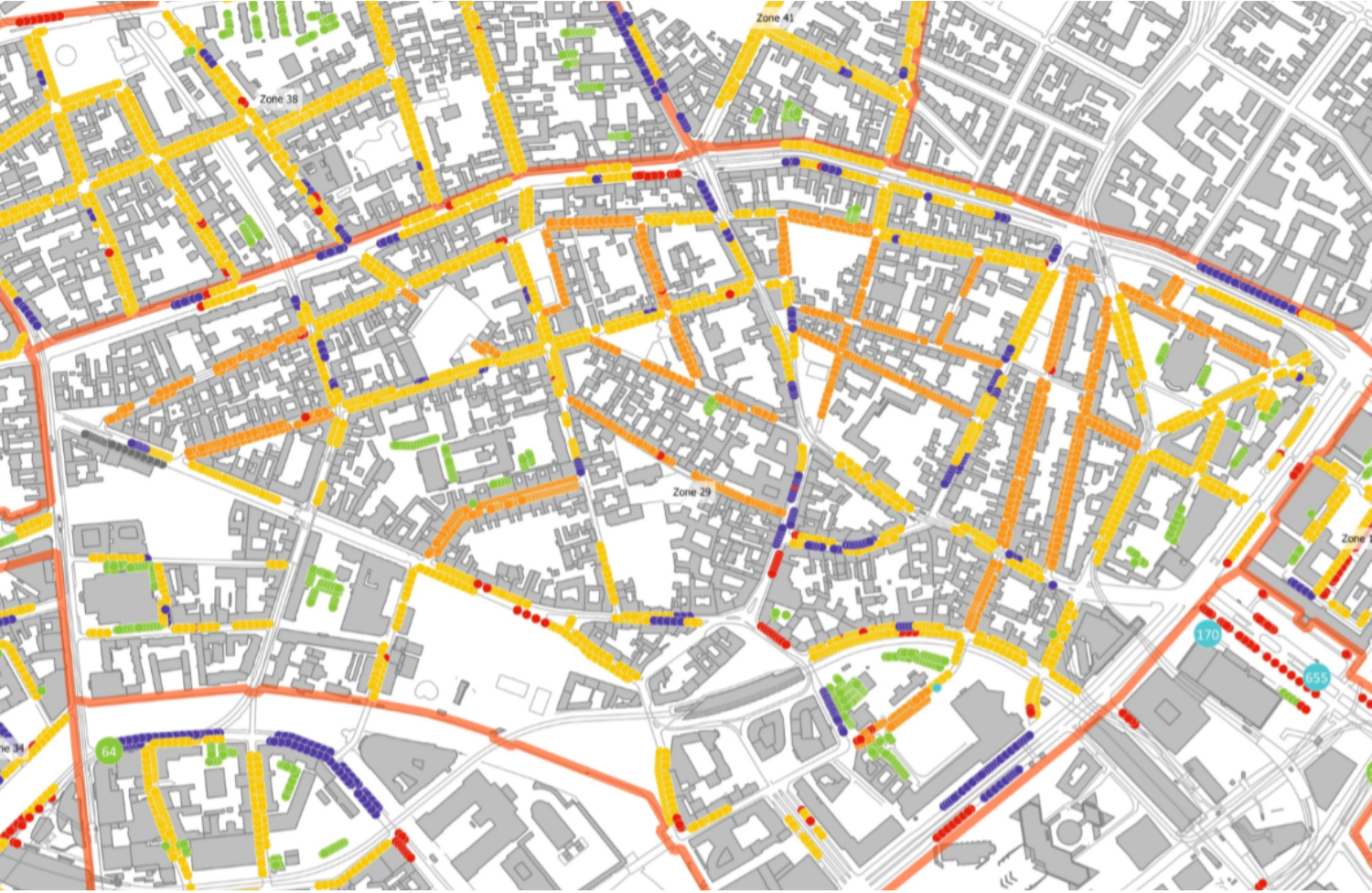
Parking space concept Berlin-Mitte
Zum Beitrag

Mobility research
Looking to the future
Our company is dedicated to mobility research in order to develop innovative solutions for the mobility of the future. We analyze trends, research new technologies and study mobility behavior in order to design sustainable and efficient transport systems.
Interdisciplinary cooperation
Through interdisciplinary research approaches and close cooperation with public and private stakeholders, we develop forward-looking concepts that meet the requirements of modern cities and rural regions. Our aim is to design mobility in a resource-saving, environmentally friendly and user-oriented way and thus make a valuable contribution to the transport transition.
Knowledge transfer
A particular concern is the transformation of scientific findings into the daily planning process. We work together with numerous local authorities and can look back on a large number of ideas that have already been implemented.
Zum Beitrag
Traffic simulations
Purpose and areas of application
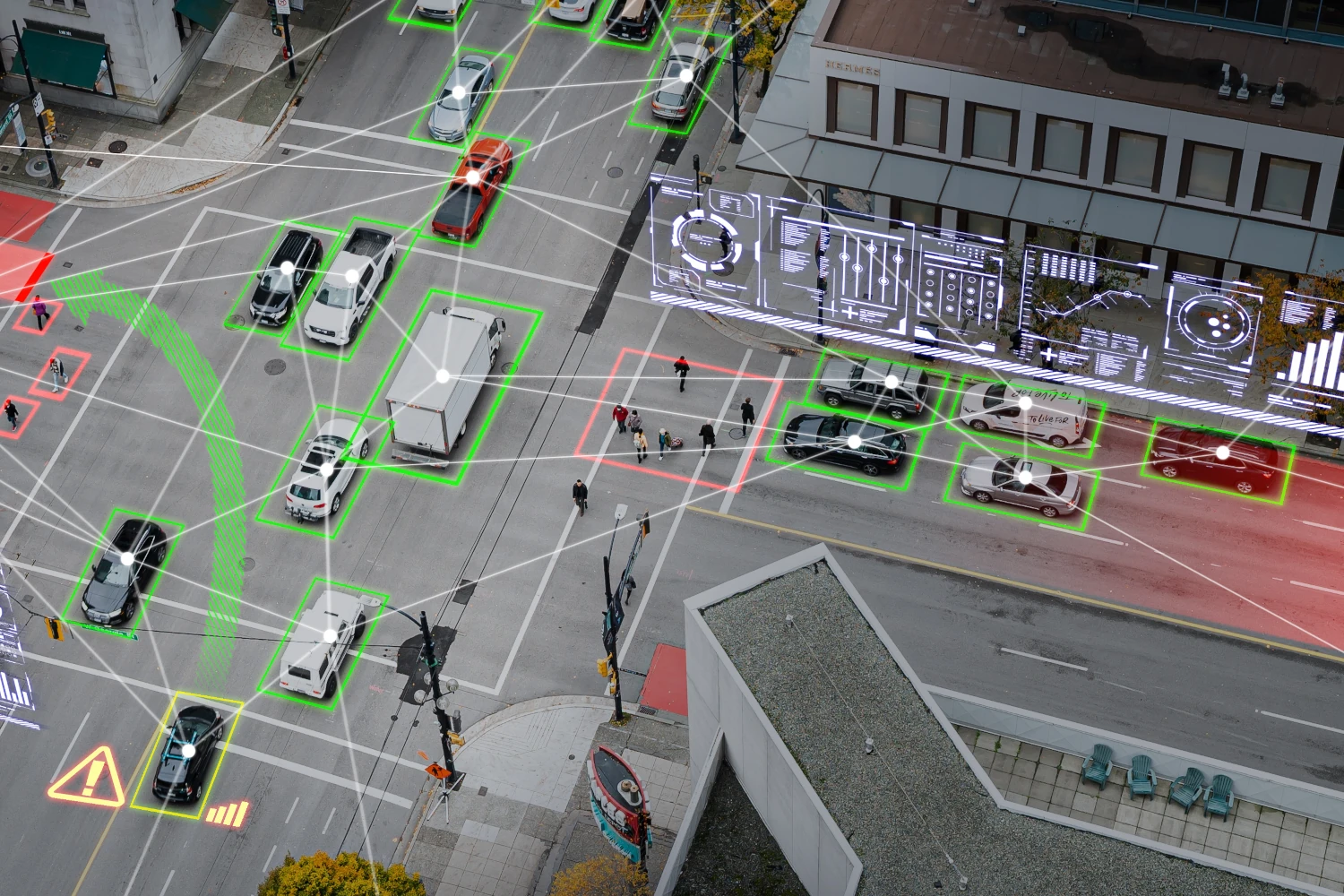
Microscopic traffic flow simulations enable a well-founded traffic engineering evaluation of our solutions in detail and visualize the traffic flow.
In contrast to standard procedures, which generally only consider individual junctions, they enable the evaluation of the mutual influence of junctions, take into account traffic-dependent controls and the special features of the specific local situation.
Data basis
Transport demand is implemented in the simulation models in the form of interdependency matrices (source-destination relationships). This data is either determined empirically or derived from macroscopic traffic demand models. Data from existing traffic light control systems are usually integrated via existing interfaces. The models are validated and calibrated on the basis of video analyses and traffic data collection.
Advantages
The use of state-of-the-art simulation tools enables a realistic assessment of the effects of measures and their evaluation.
The traffic flow is modeled in detail. Traffic-dependent control systems, public transport timetables, as well as pedestrian and bicycle traffic can be implemented in the microscopic traffic flow models.
A visualization of the traffic flow of individual study variants also illustrates the effects and interrelationships for non-specialists and thus makes an important contribution to the acceptance of the results.
Zum Beitrag
Traffic models
Anlass und Zweck
Die realistische Abschätzung der Wirkung von verkehrlichen Maßnahmen ist eine wesentliche Grundlage für deren Beurteilung. Hierfür setzen wir moderne Planungstools ein: multimodale Verkehrsnachfragemodelle.
Die Ergebnisse der Modelle bilden die quantitative Basis von Verkehrskonzepten und innovativen Lösungen für die aktuelle und zukünftige Mobilität und ermöglichen eine solide Entscheidungsgrundlage, z. B. für die Bewertung von Infrastrukturmaßnahmen.
Was sind Verkehrsnachfragemodelle?
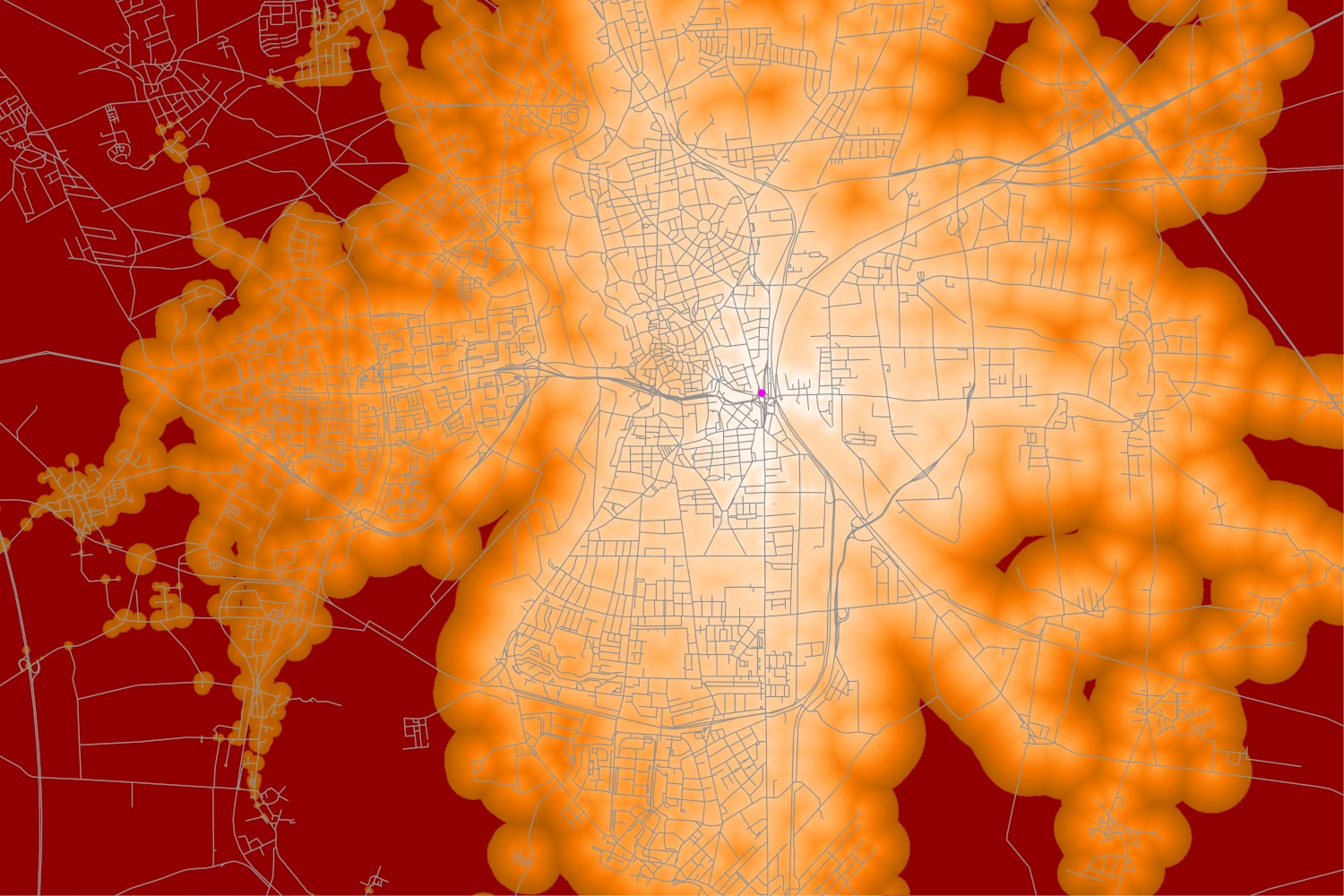
Verkehrsnachfragemodelle sind ein vereinfachtes Abbild der Realität. Sie quantifizieren Wirkungszusammenhänge und ermöglichen eine realitätsnahe Vorhersage der Wirkung von Maßnahmen. Unsere Verkehrsmodelle sind in aller Regel multimodal und berücksichtigen somit neben dem Kfz-Verkehr und dem Öffentlichen Verkehr selbstverständlich auch den Rad- und Fußverkehr.
Unser Portfolio
Wir bieten folgende Leistungen an:
- Management von Verkehrsdaten und GIS-Analysen,
- Strukturdatenanalysen,
- multimodale Verkehrsnachfragemodelle,
- Erreichbarkeitsanalysen,
- Wirtschaftsverkehrsmodelle,
- Motorisierungsprognosen.
Datengrundlagen
Basis der Verkehrsmodelle sind
- umfangreiche soziodemografische Daten,
- Daten des Verkehrsangebotes (Verkehrsnetz, Fahrplanangebot) und
- Daten des Verkehrsverhaltens, die aus Haushaltsbefragungen gewonnen werden.
Wir beraten Sie gern, welche Grundlagendaten erforderlich sind und wie diese Daten beschafft und aufbereitet werden können. Wir verfügen über Erfahrungen, wie gegebenenfalls bestehende Datenlücken geschlossen werden können.
Zum Beitrag

Mobility management
Sustainable mobility behavior
Mobility management concepts for new neighborhoods, but also concepts for existing or new company settlements, commercial units or residential areas are an essential approach for sustainable mobility behavior. They create opportunities for the sensible use of transportation.
As an office with specialist expertise, we are aware of the complex relationships between cause and effect of mobility. The conservation of natural resources and the protection of people are just as important to us as the efficient use of financial resources.
With targeted mobility management, we support municipalities, companies and public institutions in actively managing the mobility behavior of residents, employees, customers and visitors. Through in-depth analysis of transport supply and demand and intensive communication, we develop customized concepts that take financial, legal and cultural conditions into account. Our measures not only create better accessibility and optimized cost structures, but also promote healthy, motivated people and make a contribution to social responsibility (CSR).
The concepts allow a partial exemption from parking facilities to be created. They therefore also help to reduce sealing to a necessary minimum.
Right from the start
We support your project right from the start. We think about mobility right from the start of the planning process and show at an early stage how a coherent design can influence future mobility behavior.
We accompany the entire planning process and are in contact with other specialist planners. We always have the needs of future users in mind.
In dialog
We support you in balancing the interests of a large number of planning stakeholders and the future users of the facilities. Broad acceptance makes the concept a success in daily practice.
Zum Beitrag
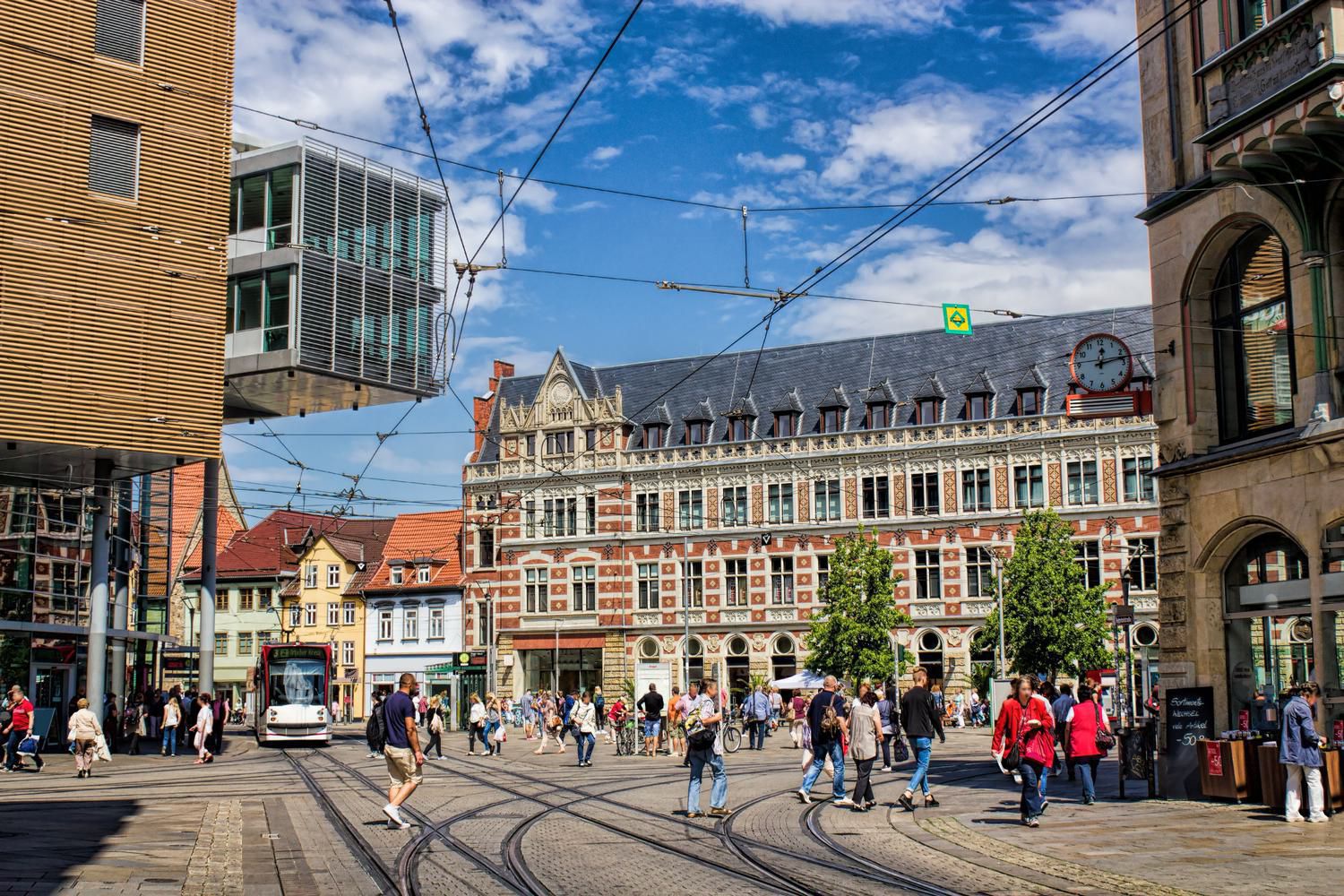
Parking space concepts
A solid basis
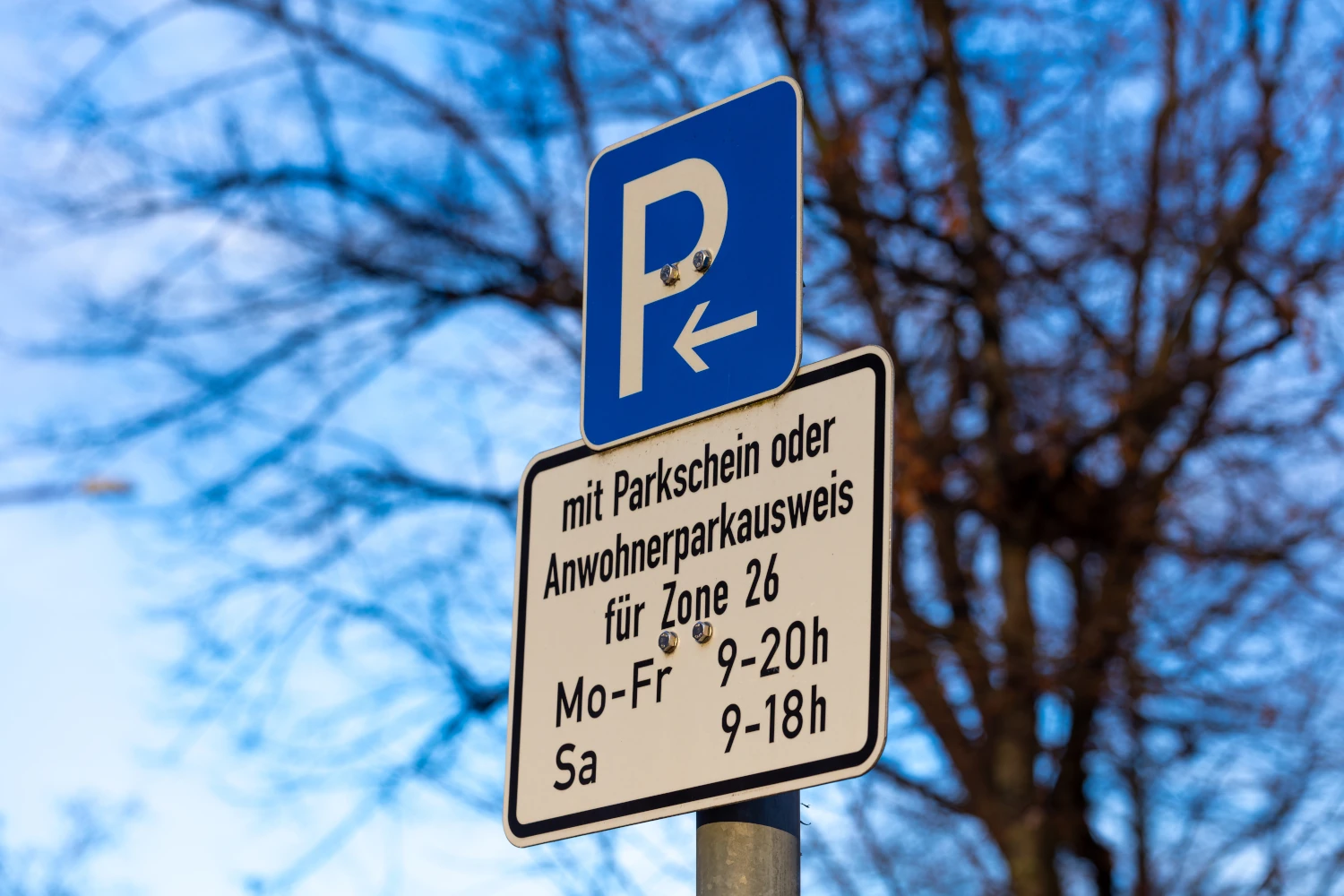
Through systematic surveys and detailed data analysis, we identify the current challenges and potentials in parking space utilization. This involves determining both parking space supply and parking space demand. As both parameters vary depending on the time of day, they are determined at several points in time. This empirical data forms a solid basis for our concepts.
All data is geocoded with the help of geographical information systems. Scenario analyses are used to estimate the impact of planning measures. To do this, we use empirical data as well as data from traffic models that we create.
We draw up parking space certificates for your project and show you how to make efficient use of valuable space.
No isolated view
Of course, our considerations are not limited to cars. We develop concepts on how attractive bicycle parking facilities can be created and what scope is appropriate. We provide information on the effect of various parking systems and show how to minimize the impact on the public road space.
For new parking facilities, we estimate when peaks in demand are to be expected.
Acceptance
An interdisciplinary team accompanies you on the way to a compatible classification and sensible management of your parking space. In this way, we help our clients to reduce traffic searching for parking spaces, create more areas for greenery and recreation and improve road safety.
The early involvement of citizens, administration and political bodies creates the basis for broad acceptance of the measures.
Zum Beitrag

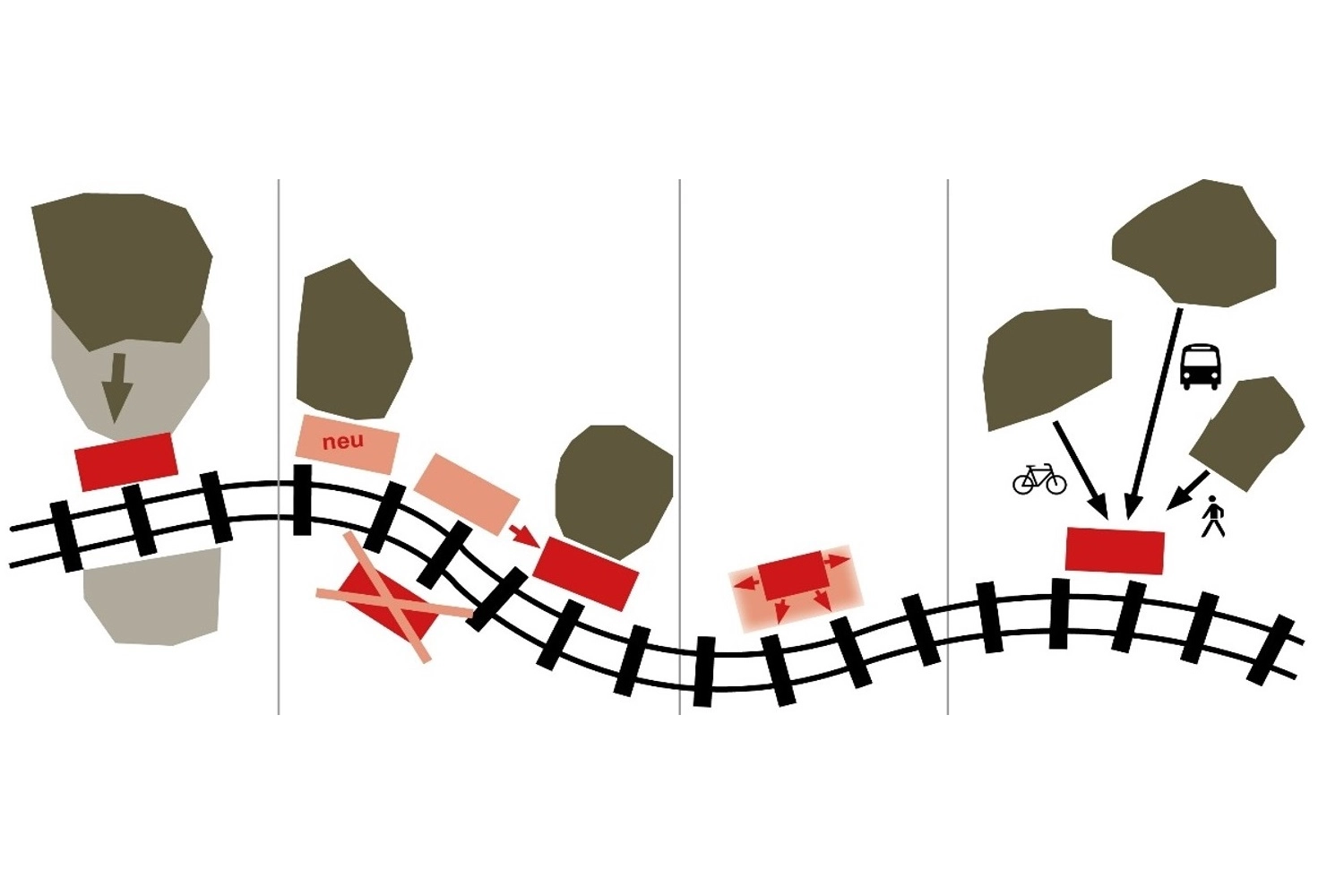
Site development
Everything in view
We are committed to the resource-conserving use of land and the sustainable development of the city and mobility. We show you the volume of traffic your project will generate and the traffic effects it will have.
The core of the project is an examination of the traffic functionality of the transportation system. Naturally, we have all types of traffic in mind. We provide information on which measures can be used to make the traffic volume more compatible.
Effects on the environment
We provide the basic traffic-related data for further investigations, such as noise or air pollution studies, and also determine, for example, the climate impact of the measures under investigation.
Moderation, process design and public relations
Involving various interests at an early stage creates the basis for broad acceptance of the planning. We develop viable compromises in dialog with all those involved in the planning process. With our concepts, we support you in the involvement of all planning stakeholders and the inclusion of citizens in the planning process. We can rely on a broad-based interdisciplinary team.
Zum Beitrag
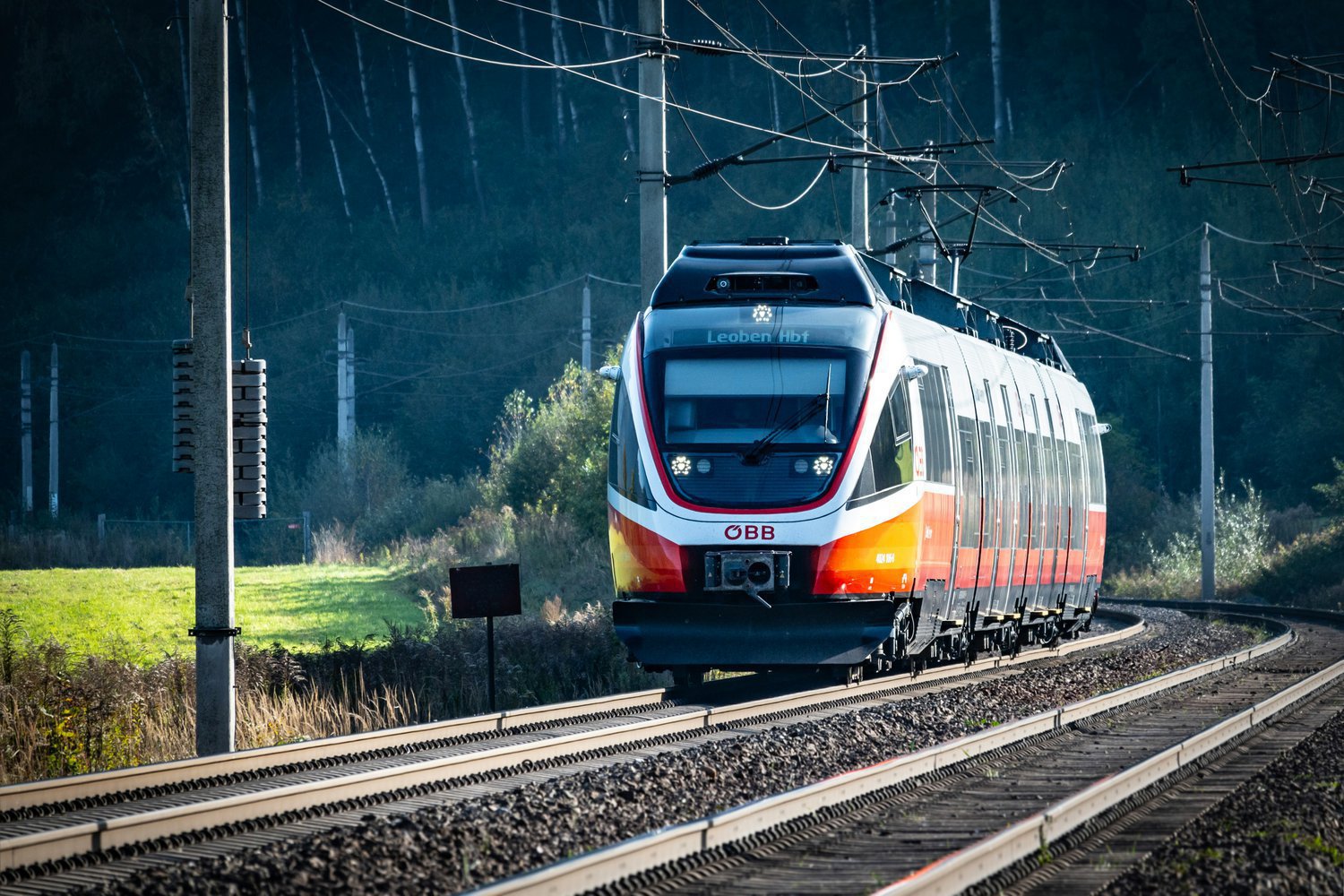
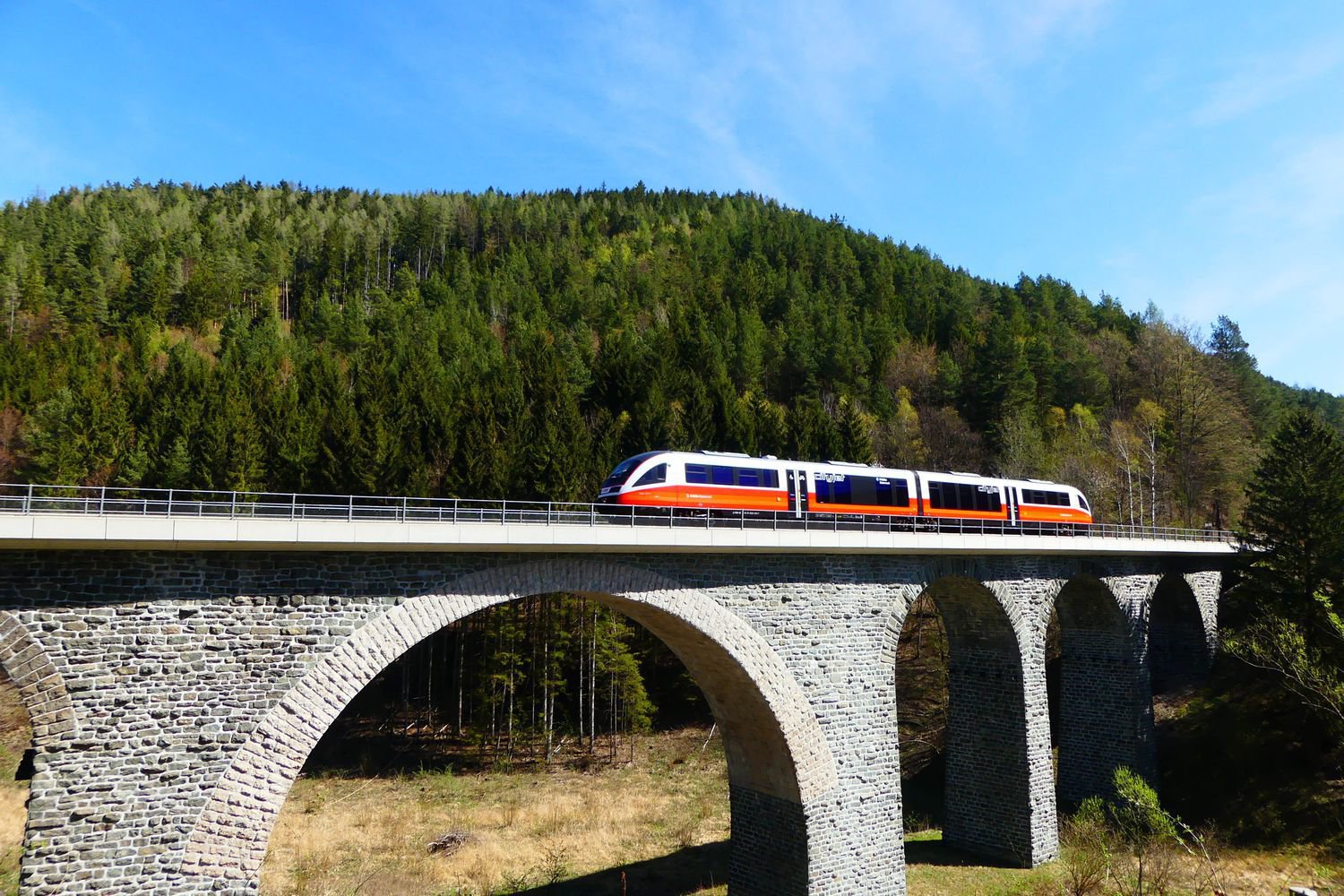
Public transportation
Future-proof and sustainable
We are committed to sustainable mobility that meets the needs of users and is also environmentally friendly. Public transport plays a central role in this.
Different perspectives
We shed light on local transport services from both the user’s and the operator’s perspective. In doing so, we rely on empirical data and use powerful modeling tools. Based on our analyses, we show how a balanced offer can be created. Of course, we always keep an eye on economic efficiency.
Demand-oriented and intermodal
The promotion of intermodality opens up additional passenger potential. We examine connection points and show which equipment makes sense.
Zum Beitrag